If you live in a mobile home especially an older model insulating your water heater can cut heat loss by up to 45%, reduce energy bills, and improve hot water performance in winter. Most mobile home water heaters sit behind thin exterior access doors with little protection from cold air. Adding a mobile home water heater insulation jacket, sealing air gaps, and protecting exposed pipes is a low-cost DIY upgrade that pays for itself quickly.
Why Your Mobile Home Water Heater May Be Wasting Energy
Insulating a water heater in a mobile home is often overlooked during weatherization, yet it’s one of the highest-impact energy efficiency upgrades you can make. According to the U.S. Department of Energy, insulating a water heater tank can reduce standby heat loss by up to 45%, which directly lowers energy use and heating costs especially in colder climates and older homes.
Unlike site-built homes, many manufactured and mobile homes were designed with exterior-accessible water heaters, leaving them vulnerable to cold air, wind, and moisture.
Common Design Issues in Older Mobile Homes
If your mobile home was built in the 1970s through early 1990s, chances are:
-
The water heater is located behind a thin metal exterior door
-
There is little or no insulation between the heater and outdoor temperatures
-
Air gaps exist around plumbing, wiring, or framing
-
The compartment acts like a cold box in winter
In these setups, even a brand-new water heater must work harder just to maintain temperature.
How the Cold Affects Your Water Heater
Cold air surrounding the tank increases standby heat loss, meaning:
- Heating elements cycle on more often
- Electricity usage increases
- Hot water runs out faster
- Monthly utility bills climb
Simply upgrading the water heater won’t fix the problem you must insulate the environment around it.
How to Properly Insulate Your Water Heater
The goal of insulating a water heater in a mobile home is to slow heat loss, block cold drafts, and protect plumbing from winter conditions.
Insulation Jackets: What They Are and How They Work
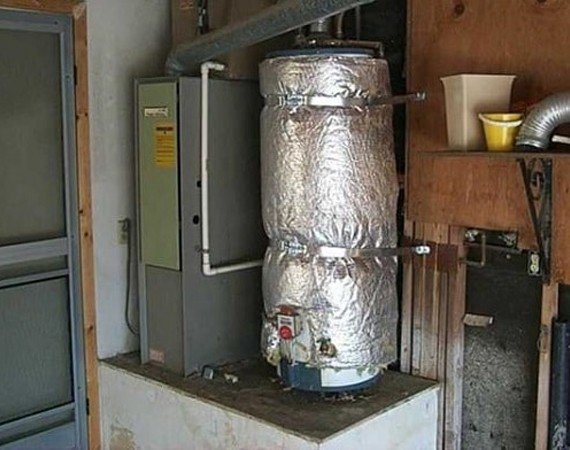
A mobile home water heater insulation jacket is a specially designed wrap that fits around the tank, acting as an additional thermal barrier.
Think of it like layering clothing in cold weather the more layers, the better the heat retention.
Benefits of insulation jackets include:
- Reduced standby heat loss
- Lower energy consumption
- More consistent hot water temperature
- Extended water heater lifespan
Most insulation jackets are inexpensive, easy to install, and compatible with electric mobile home water heaters.
Step-by-Step Installation Tips (DIY-Friendly)
You don’t need a contractor for this project. Here’s how to do it safely:
-
Turn off power to the water heater at the breaker
-
Measure the tank’s height and diameter
-
Wrap the insulation jacket snugly around the tank
-
Cut openings for:
-
Thermostat access
-
Pressure relief valve
-
Drain valve
-
-
Secure the jacket using foil tape or straps (never duct tape)
-
Avoid covering vents or warning labels
Most installations take 30–60 minutes.
Additional Mobile Home Energy-Saving Tips
Once your water heater is insulated, you can further reduce energy loss with these mobile home specific upgrades.
Seal Gaps and Openings
Cold air often enters through:
-
Water line penetrations
-
Electrical access holes
-
Loose framing around the heater compartment
Use spray foam or weather-resistant caulk to seal gaps and stop drafts.
Upgrade to Efficient Fixtures (Optional)
To reduce hot water demand:
- Install low-flow showerheads
- Use insulated hot water pipes
- Lower the thermostat to 120°F (safe and efficient)
These small changes complement water heater insulation and improve overall mobile home energy efficiency.
Finally Save Money and Stay Warm
Insulating a water heater in a mobile home is one of the simplest and most cost-effective weatherization upgrades available especially for older manufactured homes.
By adding an insulation jacket, sealing air leaks, and protecting exposed plumbing, you can:
- Reduce energy bills
- Improve hot water performance
- Extend the life of your water heater
- Stay more comfortable during winter
If you’re serious about winterizing your mobile home, start with the water heater it’s a small upgrade with big results.