
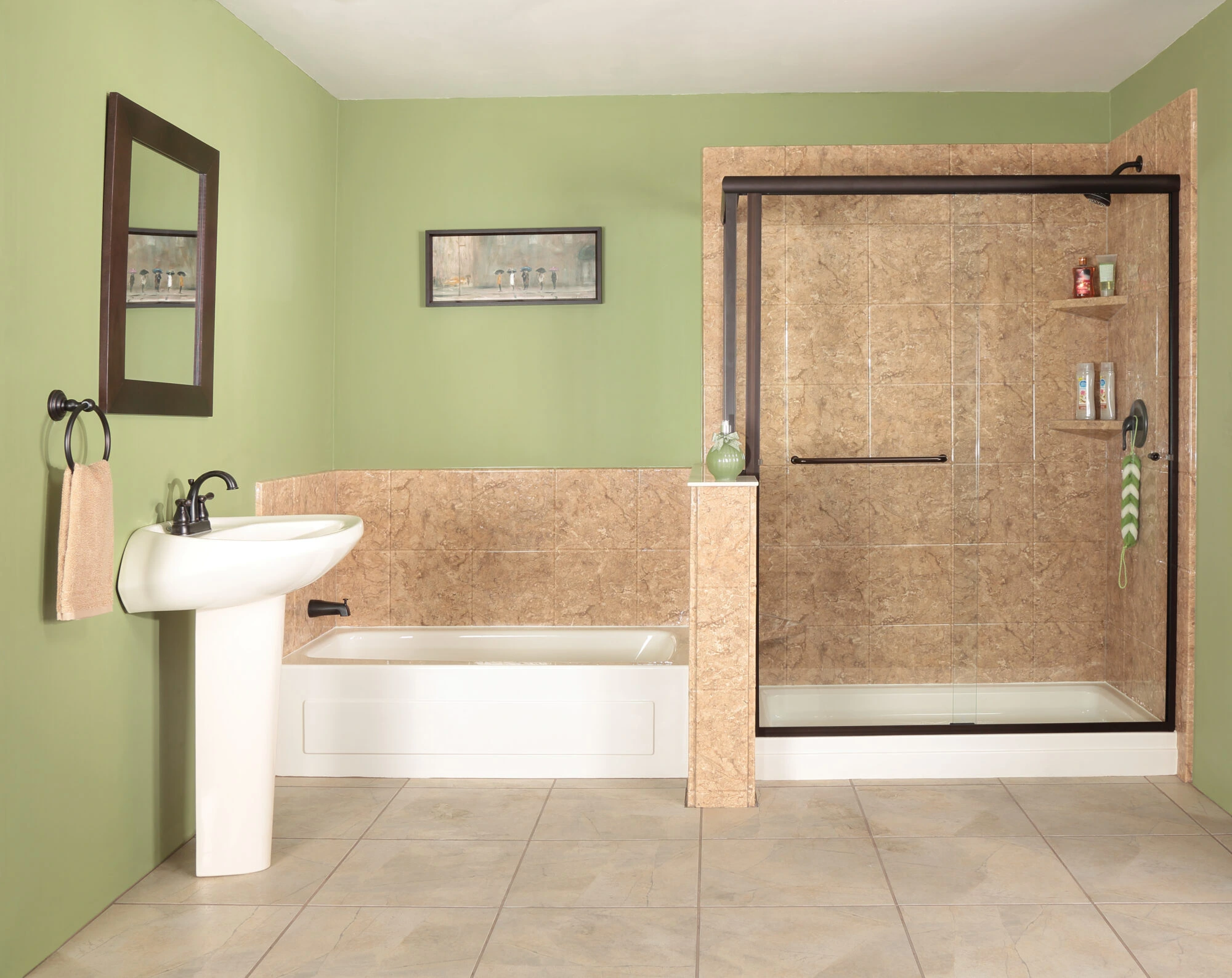
TL;DR: Fiberglass and acrylic are the two most common materials for shower surrounds in manufactured homes, and they’re often confused with each other. Fiberglass is molded from layers of glass fiber and resin, giving it real rigidity and long-term shape retention. Acrylic is a thermoformed plastic sheet, usually backed by a composite core, that’s lighter and often glossier out of the box. Fiberglass tends to hold up better under years of daily use, while acrylic can offer a smoother finish at a similar or slightly lower price point. Neither is a bad choice. The right one depends on your budget, your bathroom’s condition, and how long you plan to own the home.
Fiberglass and acrylic shower surrounds get compared constantly, and for good reason. They’re both common in manufactured homes and they look similar in photos. The real difference doesn’t show up until you’ve lived with one for a few years.
I’m John, most folks call me Trailer John. I’ve installed and repaired both materials plenty of times. I’ll walk you through what separates them instead of repeating whatever the marketing copy says.
What Fiberglass Actually Is
Fiberglass shower surrounds start as layers of glass fiber cloth soaked in resin, then molded into shape and cured. That layering process is what gives fiberglass its rigidity. Once it sets, it holds its shape well and resists flexing under normal use.
The tradeoff is weight and cost. Fiberglass panels are heavier than acrylic, which makes them more work to maneuver into a tight bathroom. They also typically cost more upfront.
What Acrylic Actually Is
Acrylic surrounds are made from a sheet of acrylic plastic that’s heated and formed into shape. It’s usually backed with a composite material for structural support. On its own, thin acrylic wouldn’t hold up well, so the backing does a lot of the structural work.
Acrylic tends to have a glossier, smoother finish right out of the box. It’s lighter to handle during installation, which some DIY homeowners appreciate. Cost varies depending on the backing quality, but budget acrylic kits can come in cheaper than comparable fiberglass options.
Durability Over Time
This is where I get the most questions, and where I’ll give you the honest answer instead of the easy one.
Fiberglass generally holds up better over a long ownership period. It resists flexing, which means less stress on the seams and caulk lines over time. Less flex generally means fewer hairline cracks down the road.
Acrylic can perform well too, but the backing quality matters a lot. A well-made acrylic surround with solid composite backing can last for years without issue. A cheaper acrylic kit with thin backing is more prone to flexing. Flexing is where problems start, whether that’s cracking, seam separation, or a surface that feels less solid when you lean on it.
| Feature | Fiberglass | Acrylic |
|---|---|---|
| Rigidity | High, resists flexing | Depends heavily on backing quality |
| Weight | Heavier | Lighter |
| Finish | Matte to semi-gloss | Often glossier out of the box |
| Typical cost | Higher | Comparable to lower, depending on backing |
| Long-term durability | Generally strong | Good with quality backing, weaker without it |
| DIY friendliness | More effort to handle | Easier for one person to maneuver |
Maintenance Differences
Both materials clean up with standard non-abrasive bathroom cleaners. Neither one should be scrubbed with harsh abrasive pads, since both can scratch over time.
Fiberglass tends to show its age through a slight dulling of the surface after many years. That can sometimes be restored with a gel coat refinish. Acrylic tends to hold its shine longer if it’s well cared for, but once it’s scratched or cracked, repair options are more limited than with fiberglass.
Which One Fits Your Situation
If you’re planning to stay in your home for a decade or more, and you want the surround to last without much thought, I’d lean toward fiberglass. It’s the material I’d choose for my own bathroom if I wanted to install it once and mostly forget about it.
If you’re working with a tighter budget or handling the install yourself, a quality acrylic kit is a completely reasonable choice. The same goes if you’re prepping a home for sale rather than long-term ownership. Just don’t go with the cheapest option available without checking what the backing looks like.
What Ashville Mobile Homes Carries
We stock a 27×54 fiberglass shower base built for direct-fit replacement in manufactured homes, made from the same layered construction described above. If you’ve already read our guide comparing 32×32 shower kit sizing, the material considerations there apply here too, just scaled to a different footprint.
A Note on Mixing Materials
Sometimes homeowners want to pair a fiberglass pan with acrylic wall panels, or the reverse. It’s not always a problem, but you’ll want to confirm the panel dimensions and mounting method match up before ordering separately. A pan and surround sold as a combo kit are designed to work together, and going piecemeal introduces more room for a measurement mismatch.
I’d rather see someone order a matched combo kit than try to mix and match components from two different manufacturers. It’s not that it can’t be done. It’s that it adds risk for very little upside.
What About Cost Over Time, Not Just Upfront
A lot of buying decisions focus only on the sticker price, and I get why. But the real cost of a shower surround plays out over the years you own it, not just on the day you check out.
If a cheap acrylic kit needs replacing again in five years because the backing gave out, you’ve paid for two installs instead of one. That math can flip the value equation even if the upfront price looked better at first.
I always tell people to think in terms of cost per year of expected use, not just the number on the price tag. A fiberglass kit that costs more but lasts fifteen years without issue can end up cheaper than a budget acrylic kit replaced twice in that same span.
Climate and Regional Considerations
Manufactured homes end up in a lot of different climates, and that can factor into which material makes more sense. In areas with big temperature swings between seasons, materials that expand and contract more can be more prone to seam stress over time. Fiberglass tends to handle that kind of shift a little better due to its rigidity.
If you’re in a milder, more consistent climate, that factor matters less, and the decision comes back to budget and how long you plan to stay in the home.
Browse the Full Range
Whichever material makes sense for your bathroom, take a look at our shower surround kit options. Compare specs there to find the right fit for your space.
FAQ
Is fiberglass or acrylic better for a shower surround?
Fiberglass generally holds up better over a long ownership period due to its rigidity. Acrylic can perform just as well if it has quality composite backing, but budget options are more prone to flexing and cracking over time.
Which material is easier to install myself?
Acrylic is lighter and generally easier for one person to maneuver into a tight bathroom. Fiberglass is heavier and often benefits from a second set of hands during installation.
Can I repair a crack in either material?
Both can be patched, though fiberglass repair kits are more widely available and tend to blend in better. Acrylic repairs are possible but can be more visible depending on the crack location and finish.
Does acrylic yellow over time like some plastics do?
Quality acrylic resists yellowing reasonably well, though cheaper products can discolor faster, especially with prolonged sun exposure in windows near the shower.
Is one material more expensive than the other?
Fiberglass typically costs more upfront due to material and labor involved in production. Acrylic pricing varies more widely depending on backing quality, so it can come in cheaper or land close to fiberglass pricing at the higher end.